I think there’s a misunderstanding here. The endowment is not the treasury. The treasury is the cold wallet, controlled by the timelock, which can do anything it wants with the endowment, with or without involvement from KPK. KPK is in no way the “de facto operator of the treasury.”
But that wasn’t my point. I wasn’t implying that Labs or anyone would take advantage of the treasury. I was alluding to the intended separation of ENS Labs from what I’ve always viewed as the protocol’s assets, which are then used to fund ENS Labs and other initiatives deemed worthy of support by the larger interested community.
When I became involved in the ENS DAO in 2021, I understood its purpose was to support the protocol’s stability and protect it from centralized influence, and to ensure its longevity as a public good that developers and ecosystem participants could rely on, decades into the future. The separation between the DAO and ENS Labs as a development shop was an elegant solution to achieve that goal.
A single administrator, however well-intentioned, would lack the structural independence to serve as a meaningful counterweight to Labs. We’d lose the diverse participation that drives debate and ensures the protocol is protected from self-interested direction. (Not to say Labs would do anything incorrect, but the DAO is meant to serve outcomes decades into the future.)
This move likely wouldn’t be reversed. It would be the end of the ENS DAO as a meaningfully independent entity.
It might be that the community has decided the goal of decentralized protocol governance is too hard, and that the protocol should be cared for by ENS Labs alone. That’s a potential outcome.
I, however, believe that for the protocol to be the protected public good it should be, it needs a DAO that is distinct and separate from ENS Labs, and that we should seek to find structures that ensure that outcome.
Just to make something clear from my side publicly.
I do not doubt Lime’s integrity. Have been given no reason to do so.
In fact I have no reason to believe that any single person here is not acting in good faith. Everyone is advocating for what they believe is right.
There may indeed be problems with the working groups. And the politics comment of trying to keep people happy, to make sure one can get re-elected in the future is a problem that’s common in most DAOs. Too many politics in DAOs in general and in the current system of ENS DAO.
Can’t tell you exactly how to solve it as I don’t think “governance DAOs” work. Perhaps the suggestions of term limits or much stricter COI checks would make sense. Turning things into more algorithmic ones governed by token holders. Succesful “DAOs” are things like Curve or Yearn which don’t have governance or politics. Just code and properly aligned incentives. See the entire ecosystem built around veCRV and bribes/votes for gauges.
So in ENS case I would try to rethink goals of the DAO, what are we here for, who are the stakeholders involved, what do we all want to achieve and how can we align our incentives by the DAO in order to do so. Reduce the politics.
But the current proposal is heavy handed in the way it’s trying to solve the problem and is in my opinion basically killing the DAO by putting it into the hands of 1 person.
The DAO already has a very heavy influence of ENS Labs + friends. Perhaps ENS being a company ran by 1 entity would be better off, but I am supposed to be a delegate of a DAO here, so can’t possibly use those tokens delegated to me to vote for a move that in my eyes at least moves towards killing that DAO.
Open to review other solutions towards the stated problems but for now I am inclined to vote No here.
This is a category mistake. ENS isn’t a DAO; ENS is a protocol that has a DAO to manage certain specific key responsibilities. The “ENS DAO” is the onchain governance mechanism controlled by token holders, and it controls onchain two important things: (1) the treasury of money earned from .eth registrations, and (2) the terms for .eth name ownership (e.g. pricing). Nothing in this proposal changes this or centralizes control of these tasks.
The Working Groups are not the ENS DAO, they are one group of entities that receive funding to do various activities, along with Labs and the SPPs. Do we need 3 teams of 3 people each doing things like weekly calls and various grants programs? Maybe yes or maybe not, but removing that doesn’t centralize the DAO anymore than defunding one of the SPP teams would centralize the DAO. The ENS DAO Constitution doesn’t mention any Working Groups, and they were not a part of the original vision of the ENS DAO in any of the founding blog posts or documents, public or private. That doesn’t mean we can’t have Working Groups, but we certainly don’t need them to have the ENS DAO.
That said, it’s important that if there are any administrative activities to implement the above tasks or programs approved by the DAO, those administrative tasks need to be done by someone other than Labs or a SPP. Hence we need a third person or group. Those kinds of tasks have been done by Working Groups thus far, but could be done by a different structure.
I’ve always been kind of against Working Groups since they seemed to be trying to set up a larger DAO bureaucracy than I thought we needed, and I like that Limes’ proposal is simple and clear, as well as removes some tasks I think are lower priority (e.g. weekly calls, etc).
I’m late to making comments, but I ended up voting no.
Personal takes: there hasn’t been enough discussion, solid arguments against WGs, nor has a sufficiently adequate solution been proposed, discussed, and accepted, for such a drastic measure.
I started my DAO journey with a belief that DAOs don’t/won’t work. After joining ENS DAO and spending some years here (last year in particular as a Scribe and witnessing firsthand the work stewards put in), I changed my mind significantly.
Removing the structure we relied on for years without proper evaluation and rock-solid arguments/evidence we should remove it, feels wrong.
I think this proposal should’ve come after the Retro was done maybe.
For this you misunderstand my take. it’s not that Working groups == DAO. But an FFA governance mechanism without committees or working groups is just impossible to work out. Random token holders voting (without any incentives) has been tried multiple times and never worked in the long run. In all the DAOs I ever was involved in. They all tend to centralize towards a mechanism like that. Working groups, committees, councils etc.
I am not married to the idea of Working Groups. But if you guys want any form of governance it can’t be random token holders voting for everything. So if you want to get rid of the working groups propose a viable alternative.
The current proposal centralizes everything under 1 entity (as far as I understood it). And which is why I said above I am voting against it.
It’s a disastrous idea to assign a centralized admin to oversee ENS service providers. This defeats the entire purpose of having a DAO, where a decentralized group of delegates is supposed to serve as the sole authority. Otherwise, the structure becomes no different from a traditional company. Unfortunately, even the largest DAOs still struggle to fully adopt on-chain governance principles.
To make the decentralized delegate set function efficiently, we need to minimize the oversight burden placed on them. Expecting delegates to oversee each individual WG steward is not scalable. Delegates should only oversee the main funded entities and have the power to wind them down if necessary. That is how accountability is maintained.
A simple structure works best: choose two entities (individuals or companies) for the Ecosystem and Metagov WGs, and merge Public Goods into Ecosystem. Keep the supervisory responsibilities minimal.
Term limits are completely unnecessary. If the delegate set is satisfied with the performance of a SP, what is the point of replacing them? It would be equivalent to removing ENS Labs and replacing it with a brand-new entity that has no experience or understanding of how the work is done.
Indeed, this is already the biggest problem. To strengthen decentralization, improve scalability, and maximize the effectiveness of the delegate set, the discussion needs immediate priority. The solution lies in valuing delegators and the delegate set above all other considerations.
You’re right, that’s why there is a delegate set. It’s more centralized than the full tokenholder set, but in a way that is still decentralized and far more scalable.
Recently, I’ve noticed people in this ecosystem increasingly forgetting the importance of decentralization and focusing solely on scalability and efficiency.
I think this encapsulates much about how I feel. The working groups are not the DAO, they are just one way of dealing with things outside of the onchain treasury and terms for .eth ownership. Working things from the ground up again is something I’m supportive of when the politics of the DAO have become very hard to deal with. This isn’t the first time we’ve got rid of working groups, we had 4 at the beginning and we removed the community WG and I think that was the correct decision.
I meant to say endowment, edited for clarity. Looping back to the following:
Nothing in the proposal gives ENS Labs any new authority over funds. The default operator of the ENS DAO treasury is the DAO itself. The treasury remains in the timelock, still requires DAO voting for any spending, and cannot be directed unilaterally by ENS Labs or an Admin Panel.
—
Even without Working Groups, contributors retain full access to the DAO’s governance process. Anyone can propose work through executable or social proposals, and RFPs can still be created and funded. Treasury governance remains unchanged, with delegates ultimately deciding where funds go.
So there continues to be a formal, permissionless path for independent contributors to seek funding and execute work.
Nothing about this proposal changes the delegates’ ability to oversee and run the DAO; it replaces the working group system with an elected administrator.
Upon reflection, these statements are all opinion and zero analysis.
You’ve asserted that working groups harm the mission, claimed Labs would be more efficient, and proposed removing structure entirely, without a single metric, example, or causal mechanism.
I would expect the DAO to make decisions from an empirical basis.
100% this
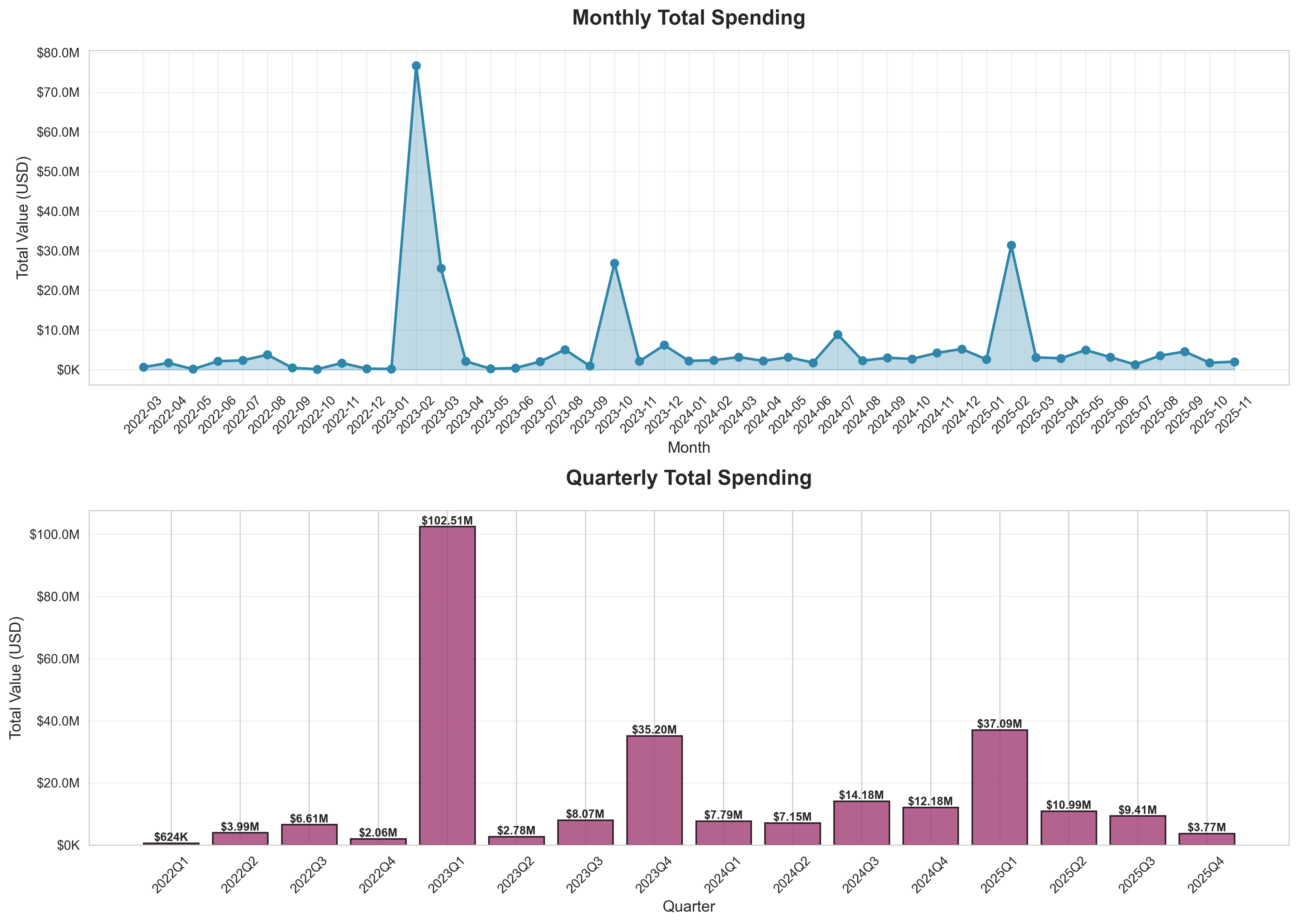
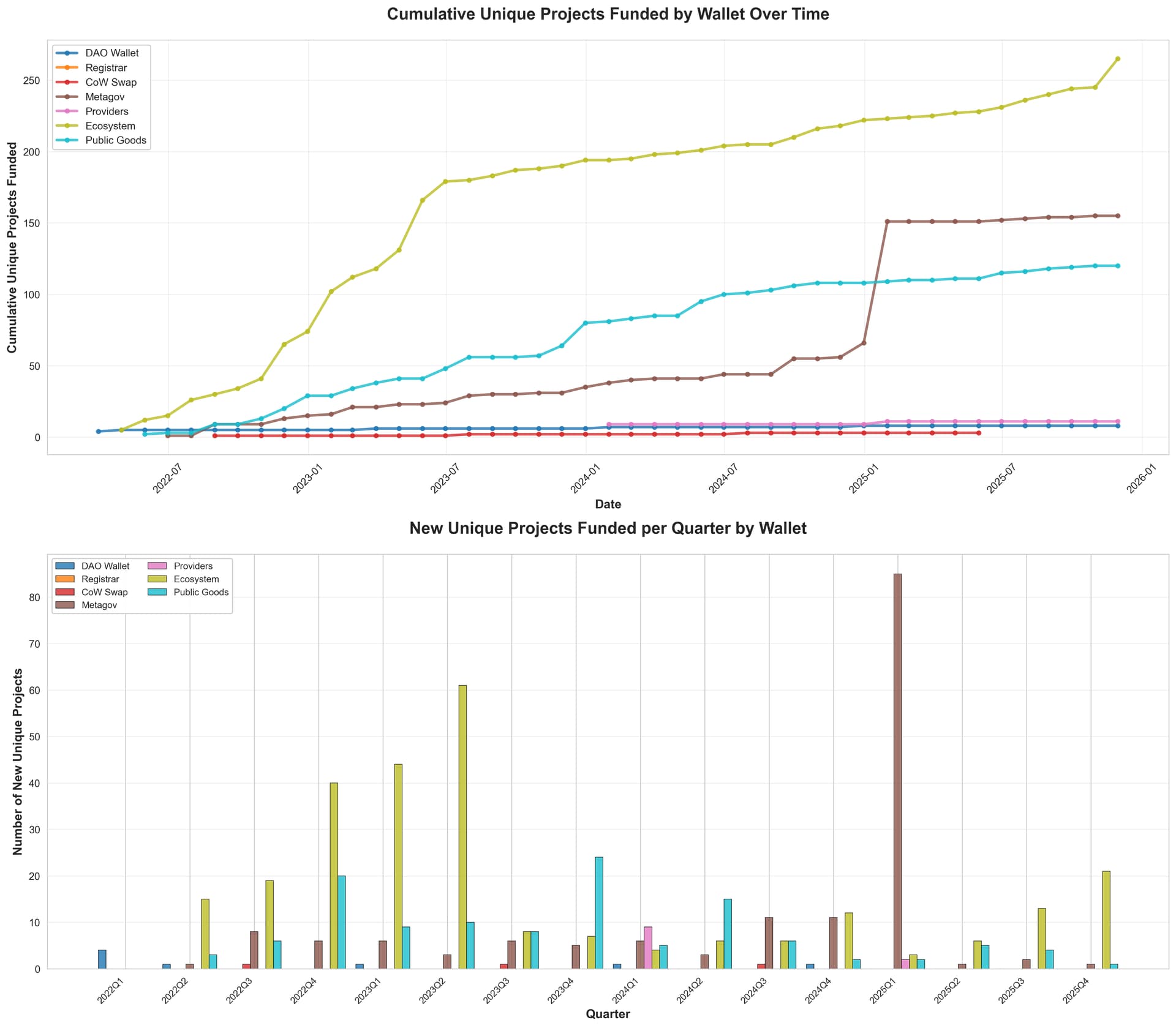
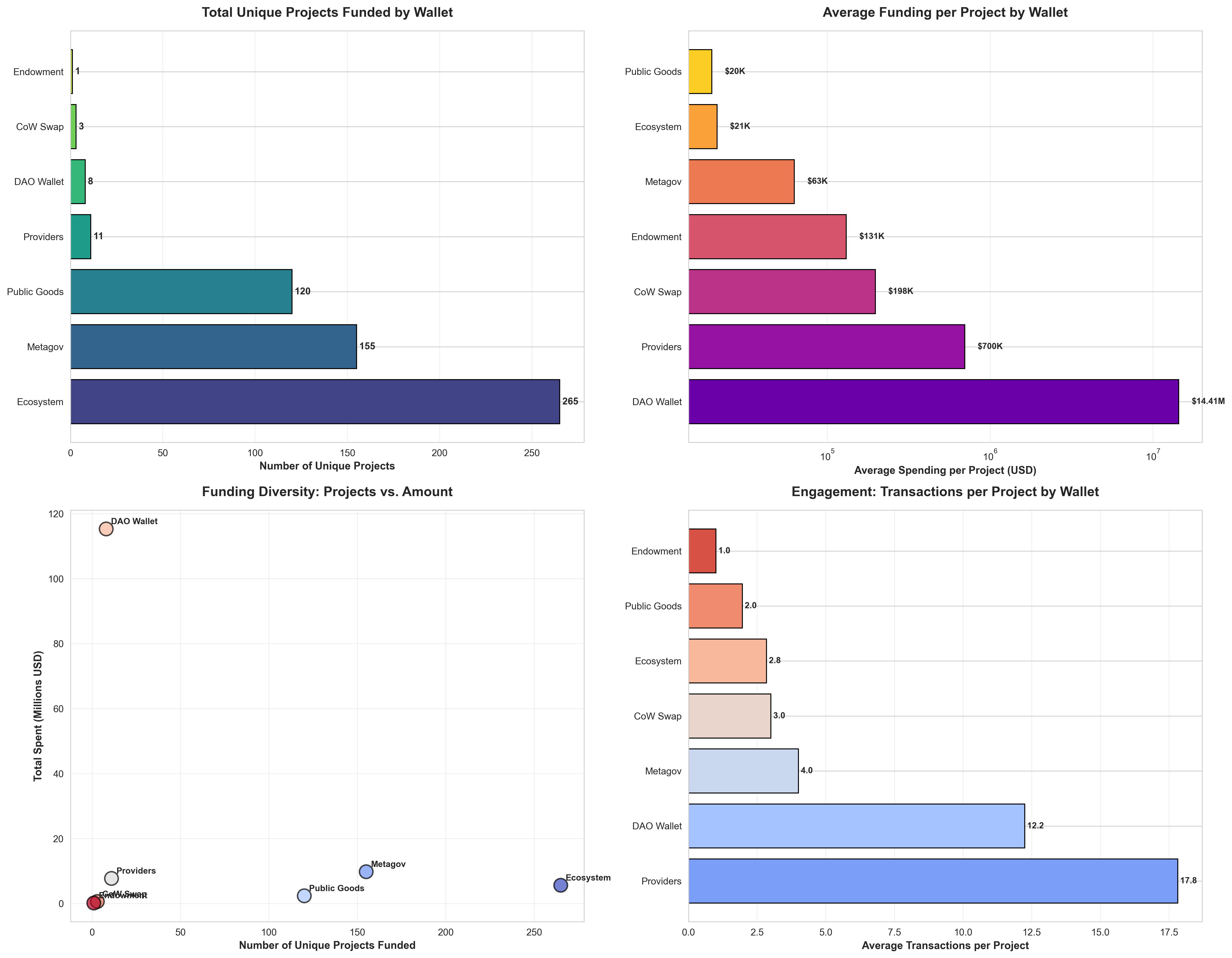
For example we just ran some basic graphing on the data from https://ens-ledger.app/ and there are already some interesting quantitive trends that could do with some qualitative analysis before making any structural decisions.
I’m not opposed to restructuring the working groups, but this proposal feels rushed and not fully thought through. A temporary term extension aimed at finding a more sustainable solution would make far more sense. I’m also concerned about consolidating too much authority in a single person. We are voting no on this proposal.
Given the proposal seems likely to fail, here’s my suggestion to address the issues:
Seems we need to delay the elections anyway, because the Metagov WG has made no announcement even for the nominations. If we do, then makes sense to wait a couple more months to be closer to the Service Providers election.
When we do the election, I’d add an option in each election saying “DISSOLVE GROUP”. If it’s the first choice of the majority, the working group is dissolved. Alternatively we could also add a NONE BELOW option that nobody ranked below it could be elected, meaning that a working group can be selected with less than 3 candidates - or zero.
Meanwhile, I suggest those who want a professional administrator to run the working groups, to have them be candidates in the election for Metagov.
In this manner we can have an individual vote for the existence of each working group and a vote for how they should be structured, without this Omnibill addressing everything.
Idt Meta-gov is required to announce — the nomination dates are already defined in the Working Group Rules. To be explicit, nominations open on December 6 and close on December 9.
However, the absence of communication from Meta-Gov may leave some wondering why this hasn’t been highlighted, even though the Ecosystem WG has mentioned it.
—
—
I think this is exactly the issue the proposal aimed to address: what defines a professional administrator? There are currently no requirements for nomination to the Meta-Gov Working Group. Without clear guidance or qualifications, it becomes a free-for-all where eligibility is driven more by popularity or value alignment than by professional acumen or competence.
I’ve decided to switch vote from FOR to AGAINST and here’s why:
While I agree with this proposal in substance (and appreciate Limes proposing it), I think a non-trivial change to these structures needs greater consensus. If this proposal passed by a thin margin, with a significant number of delegates feeling like this was rushed or pushed through without proper discussion or input, we could actually lose enough social capital to not make the benefits of the change worth it. Process and legitimacy matters, and I’d rather such a change passed with a mandate than small margin.
I encourage limes and others who support major reform to working groups to regroup, talk to more delegates, etc and consider making another proposal in the future if greater consensus can we reached on exactly how to do the reform.
Allowing a working group to operate with less than 3 stewards requires a rule change, and I think having an odd number is fairly important for decision making. Not to mention that reducing the number of signers on a multisig with hundreds of thousands of dollars is probably not ideal. A safer version of this could look like:
Create a “NONE BELOW” option, and if there are not at least 3 candidates above that option, the working group is effectively paused and all remaining funds must be sent back to wallet.ensdao.eth by current stewards.
I don’t think this breaks any rules/requires a DAO vote (not 100% confidence, feel free to fact check) - it could just be implemented my MetaGov when the voting for steward elections goes live (either next week or after the retro period if that proposal passes).
Edit: I think ~everybody agrees that there needs to be some independent entity to pay kpk and keep track of service providers, so there would need to be a footnote of what happens if metagov is paused via the above voting mechanism.
But, both or either of these would require steward elections to move from Approval voting to a Ranked Choice (IRV or Condorcet for scoring). This change is long overdue and would strengthen the voting process. In the past, discussions on this have stalled, but I’m hoping this obvious need helps us finally make this change.
Ranked with Copeland worked very well on the Service Provider, I don’t see why not use it on the steward election. It’s a relatively small change that IMHO should be possible to be implemented by the stewards without controversy.
I abstained. Though strong arguments were made for either case, I think the prop missed the forest for the trees. The prop does not centralize anything except administrative tasks already handled by a small group of people. On the other hand, removing accessibility by eliminating weekly meetings altogether will not bode well.
Talent has been discovered through weekly Working Group meetings. Unlike @nick.eth’s perspective, I can attest to this and firmly believe we already have a strong enough talent base to carry the DAO’s operations forward.
The issue is not a lack of capable contributors — it’s that remote work environments often confuse visibility for competency, leaving skilled people overlooked.
I remain unconvinced by the claim that there are too few willing or qualified candidates for positions of leadership. That conclusion reflects the limitations of our current structure, not the limits of our talent.
If Working Groups have driven contributors away, the solution should be to fix those incentives — not to remove the primary venue where emerging contributors can be seen, supported, and elevated.
Over the past three years I have been steadily observing this organization. I have collected pages and pages of notes that I find vital for review along with suggestions and or solutions.
I have built multiple versions of a complete ledger and DAO finances overview. I am almost complete with a final presentable version that includes all transactions of the ENS DAO. It may need some review as some addresses may be missing, wallets might be slightly mis-labled and could probably use some suggestion from the current stewards.
I have drafted multiple versions of DAO By-Laws which is a compilation of all the rules that DAO has and should follow. This has been a multiple year project for me. It is very extensive and will definitely require some more work, again with steward assistance.
I agree that there should be some changes, many of which I have been vocal about on forum in the past.
I have documented everything that I have weighed in on–as far as suggested structure that will be efficient, accountable and self governing.