πŸ›οΈπŸ“ž MetaGov Working Group – 2026 Meetings: Tuesdays at 9am ET

:classical_building: MetaGov WG Calls, 2026 :classical_building:

Time/Day: Tuesday, 9am ET starting on January 20th
Meet Link: Link
DAO Calendar: Link

Stewards:


Changes from last year

  • Meeting time: From 10am to 9am ET, so we have less overlap as possible with other DAOs calendar (in this case Uniswap specifically).
  • Meeting cadency: From weekly to bi-weekly, with the goal of having higher density of updates to discuss and less time spent in meetings.

Overview
The ENS MetaGov Working Group holds public bi-weekly calls. The calls are open to community members and the general public.

The ENS MetaGov Working Group calls are facilitated by the appointed ENS Stewards, and led by the lead MetaGov steward. If you need to get in touch with any member of the working group, please message them on the forum, TG, or on X.

How to Add to Weekly Agenda
If you have items that you would like to add to the weekly agenda please message any of the ENS MetaGov stewards.

How to Use this Thread
Agenda will be posted along with call summaries. Please do not post in this thread unless requested by one of the Stewards.

1 Like

Agenda and Minutes for MetaGov Meeting (Delegate All-Hands), Jan 20th, 2026

Details

Time: Tuesdays at 9:00 am ET
Google Meet Link: https://meet.google.com/wua-qjto-umk

Stewards:

Agenda

Happy 2026 :partying_face:! This session will be our Delegate All-Hands, which takes place during the first MetaGov Meeting of each month.
These meetings feature a curated agenda and a broader presence of delegates, focusing on deeper discussions, faster coordination, and more effective progress for ENS governance.

To make the discussion more productive, make sure to read the threads linked below.

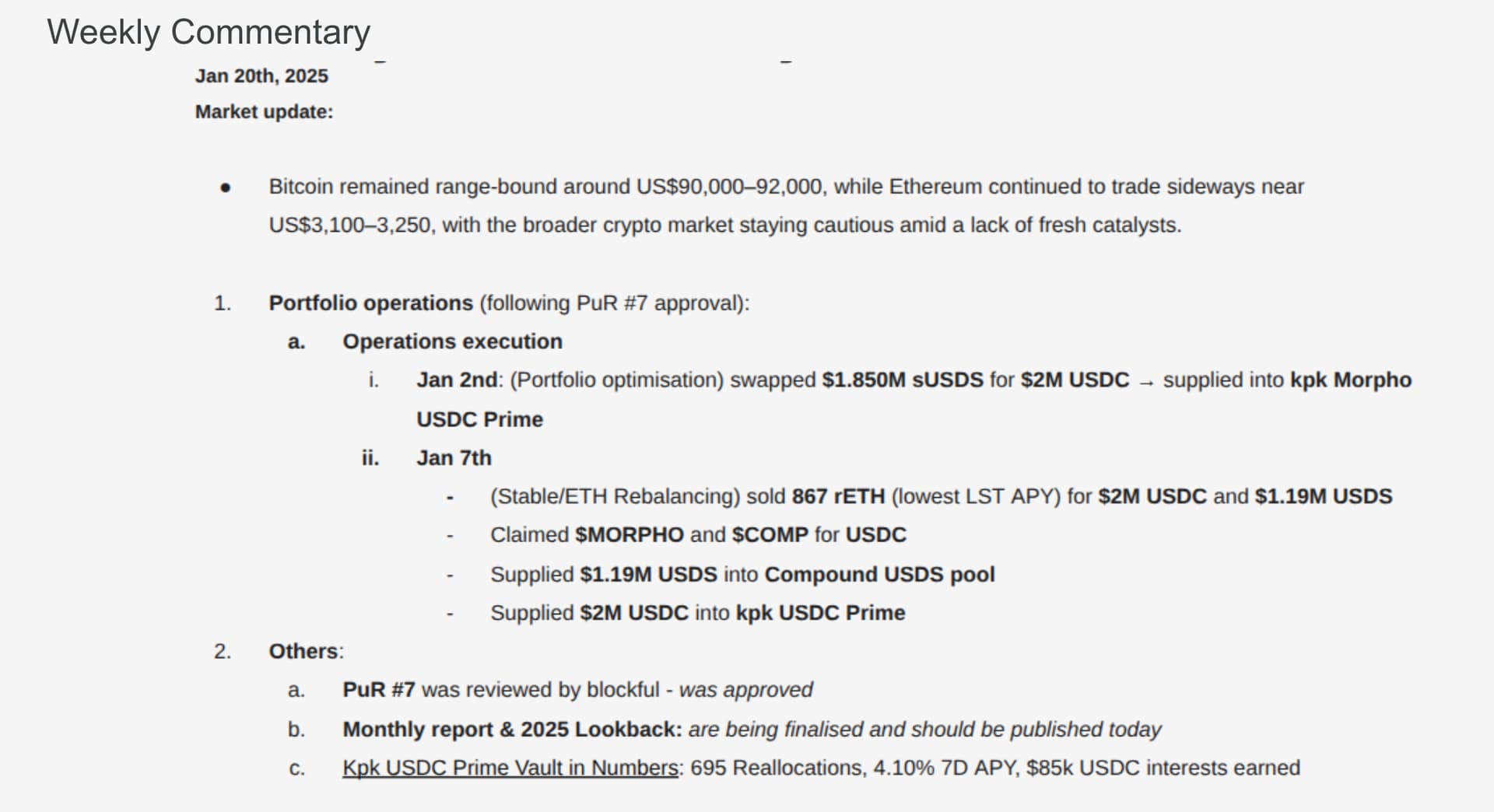
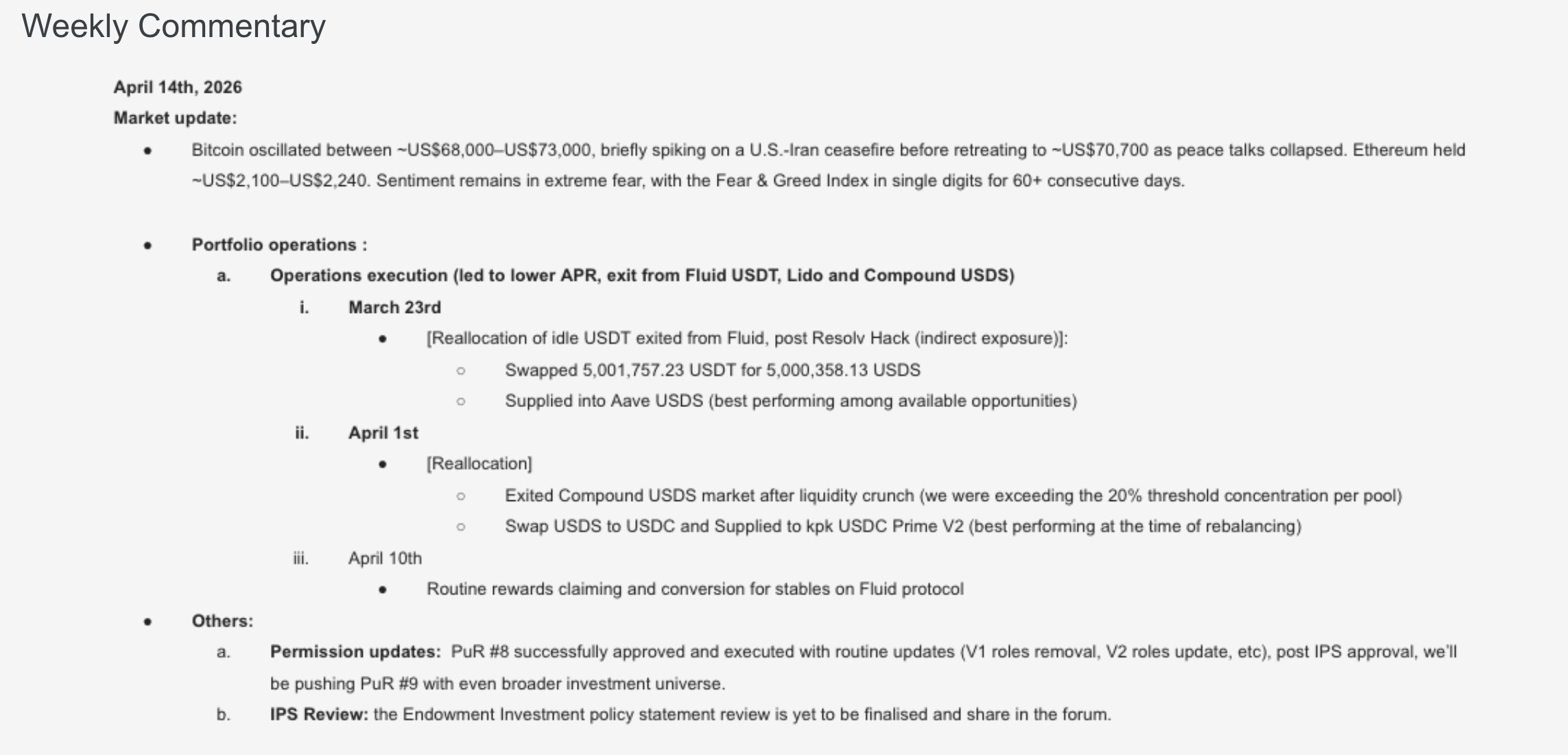
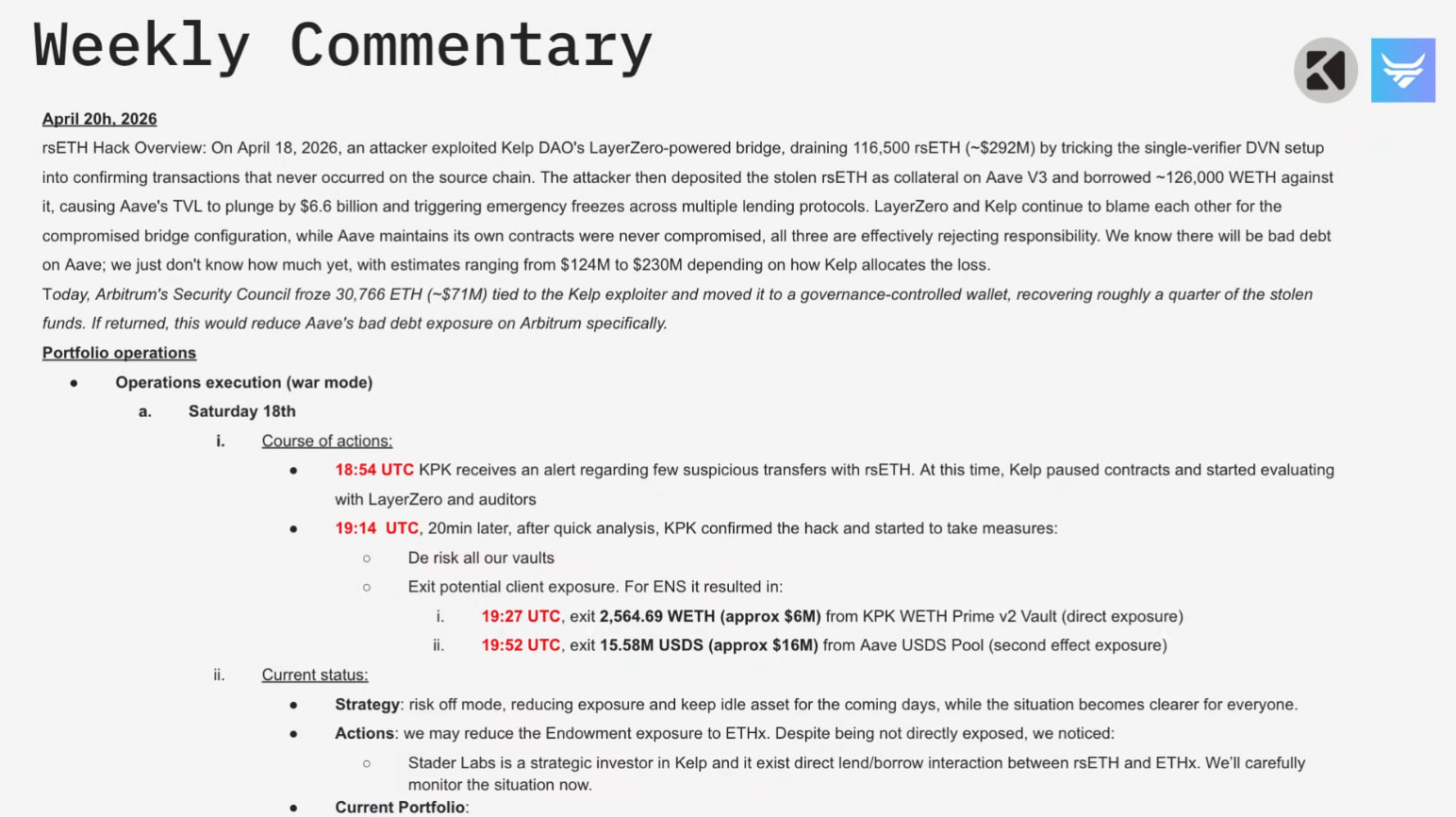
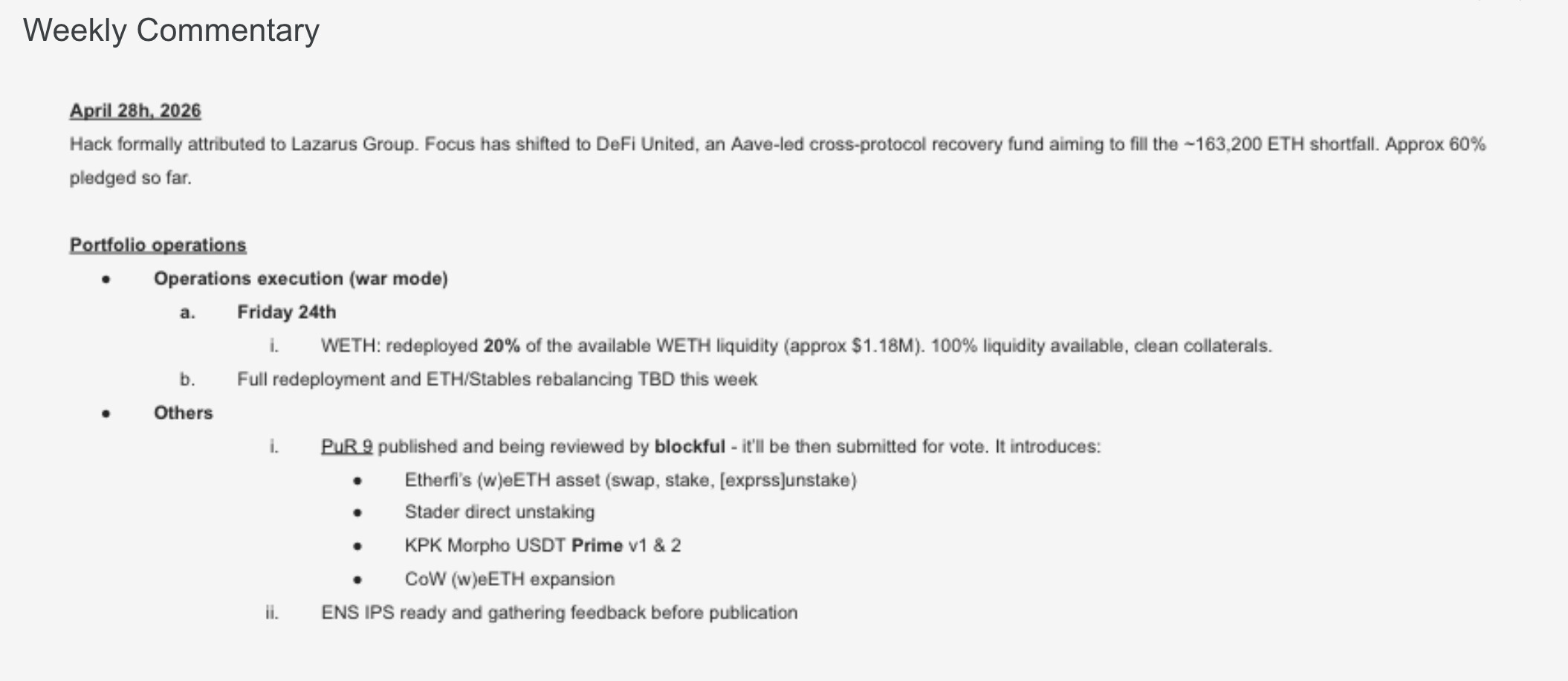
  1. Weekly Endowment Updates - @kpk + @Steakhouse
  2. [Executable] ENS Stakeholder Analysis and Retro - @eugene
  3. [Temp Check] Metagov Update: Working Group Operations During the ENS Retro - @Meta-Gov_Stewards
  4. [RFC] Delegation Increase Incentives System - @zeugh.eth
  5. Revenue Reports - @Limes
  6. Holiday Awards Referral Program - @lightwalker.eth
  7. Naming Season Updates - @conor
  8. Open discussion
2 Likes

1. Weekly Endowment Updates - @kpk + @Steakhouse

2. [Executable] ENS Stakeholder Analysis and Retro - @eugene

  • Continuation to put up the official proposal.
  • The research is organized into 3 phases:
    • Phase 1: Stakeholder analysis and pre-retro data collection
    • Phase 2: Retrospective assessment of spend
    • Phase 3: Synthesis, research, and presentation
  • Milestone-based payouts, funds custodied by MetaGov.
  • Methodology and processes discussed in the proposal (see more in the link above)
  • Collaboration viewed as partnerships with ENS to set the tone for future governance trends.
  • Hopeful that phase 1 and stakeholder analysis can align people around common North Stars (otherwise, it will be hard to move to Milestone 2)
  • If there’s no reaction to the proposal and it barely passes, they might not want to proceed, as they want to feel like they are entering a partnership.

3. [Temp Check] Metagov Update: Working Group Operations During the ENS Retro - @Meta-Gov_Stewards

  • Discussion on possible options and a path forward from the Temp Check above
    • Optino a) Continuing with the extension at the lowest cost (low budget).
    • Option b) Continuing with the full approval amount from October
  • Option c) mentioned – WGs request a reduced budget until April, approved from October.
  • The decision should be a discussion + collective decision vs. a MetGov decision.
  • Public Goods WG needs to maintain builder grants.
  • Ecosystem WG committed to ETHGlobal ($300k spend).
  • Agreed to bring the topic for discussion, discuss, and run the vote.

4. [RFC] Delegation Increase Incentives System - @zeugh.eth

  • Changes added to the incentive program for delegation based on community feedback.
  • The idea is to reward delegates and holders delegating to active delegates
  • The goal is to increase active voting power for safer governance and to make the DAO less dependent on the Security Council.
  • Changes:
    • Delegate pool moved from proportional votes cast to vote power held monthly.
    • Delegator pool changed to time-weighted ENS balance over six months.
  • Will be moved to Snapshot this week.
  • See more details in the link in the title.

5. Revenue Reports - @Limes

  • (next call)

6. Holiday Awards Referral Program - @lightwalker.eth

  • (next call)

7. Naming Season Updates - @conor

  • (next call)

8. Open discussion

  • /

Agenda and Minutes for MetaGov Meeting, Feb 3rd, 2026

Details

Time: Tuesdays at 9:00 am ET
Google Meet Link: https://meet.google.com/wua-qjto-umk

Stewards:

Agenda

  1. Weekly Endowment Updates - @kpk + @Steakhouse
  2. Security Council - liveness checks - @netto.eth
  3. [Executable] ENS Stakeholder Analysis and Retro - @eugene
  4. Revenue Reports - @Limes
  5. Holiday Awards Referral Program - @lightwalker.eth
  6. Naming Season Updates - @conor
  7. [Temp Check] Delegation Incentives Program reminder
  8. Governance frontend with public RPC - Dawson Botsford
  9. ENS delegation app - Kirill
  10. Open discussion

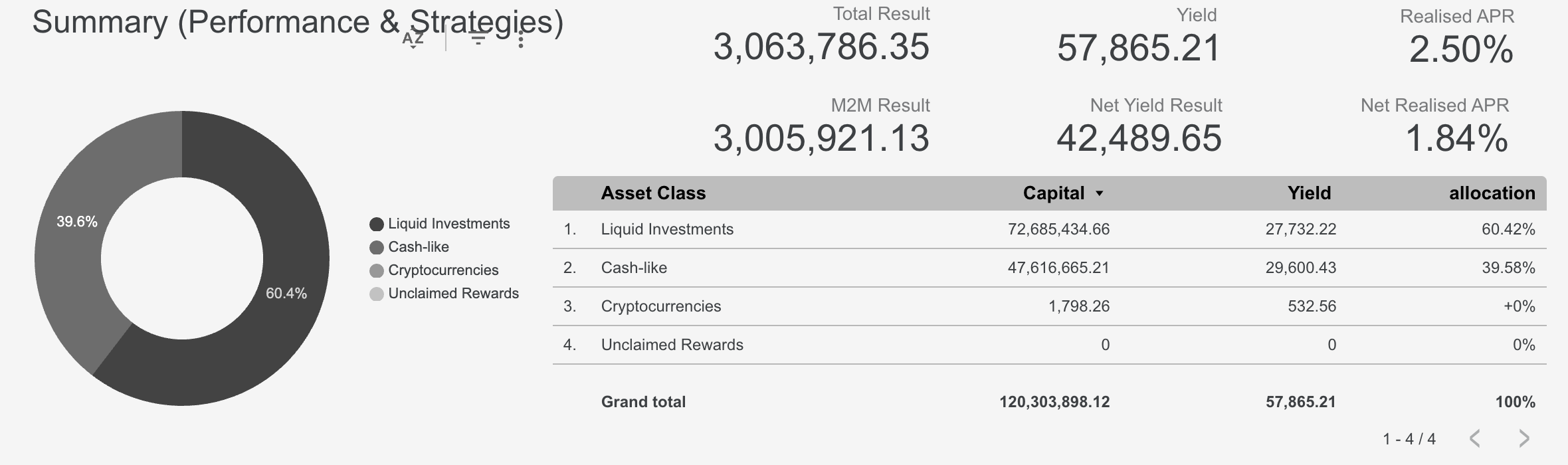
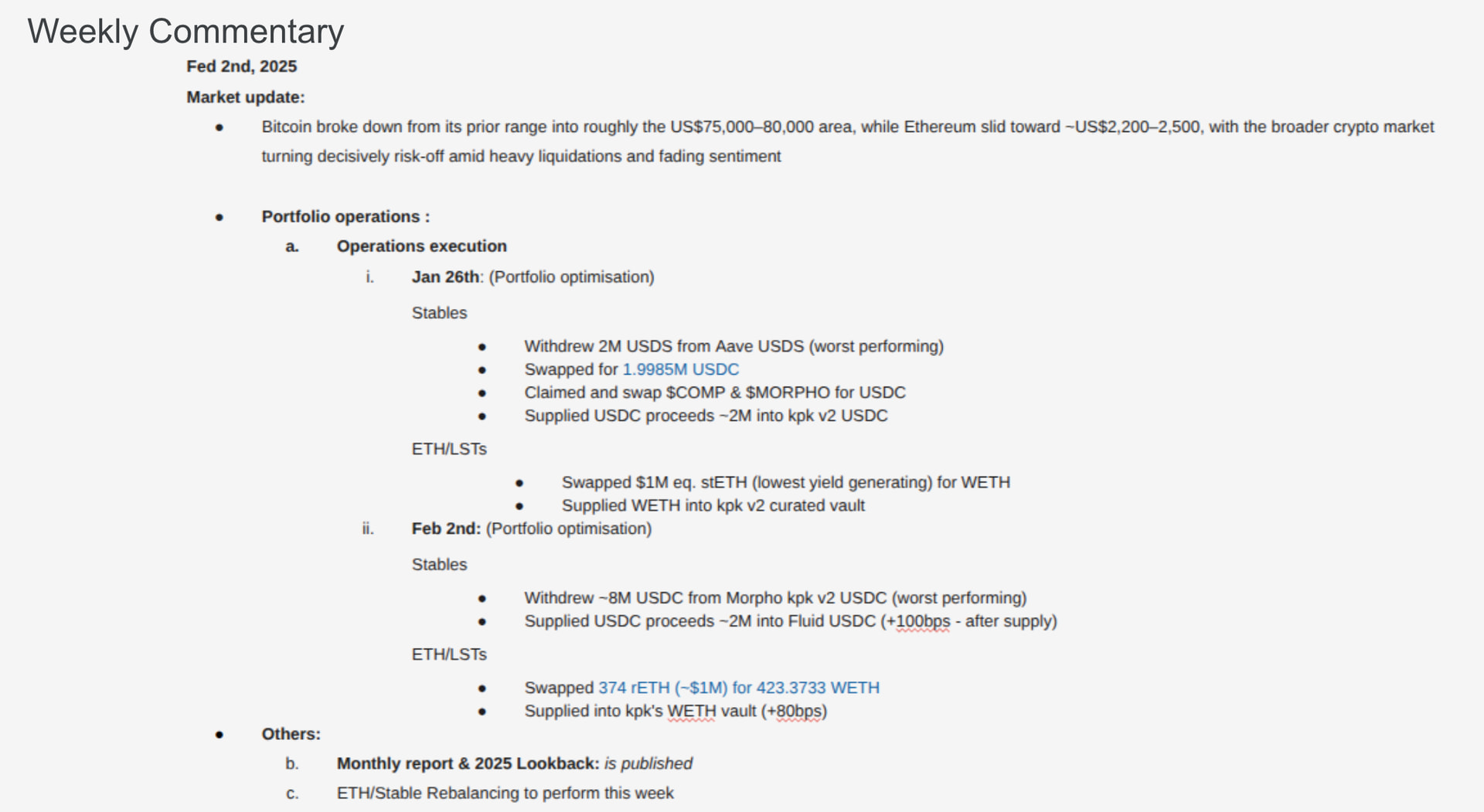
1. Weekly Endowment Updates - @kpk + @Steakhouse

  • Full weekly report here.
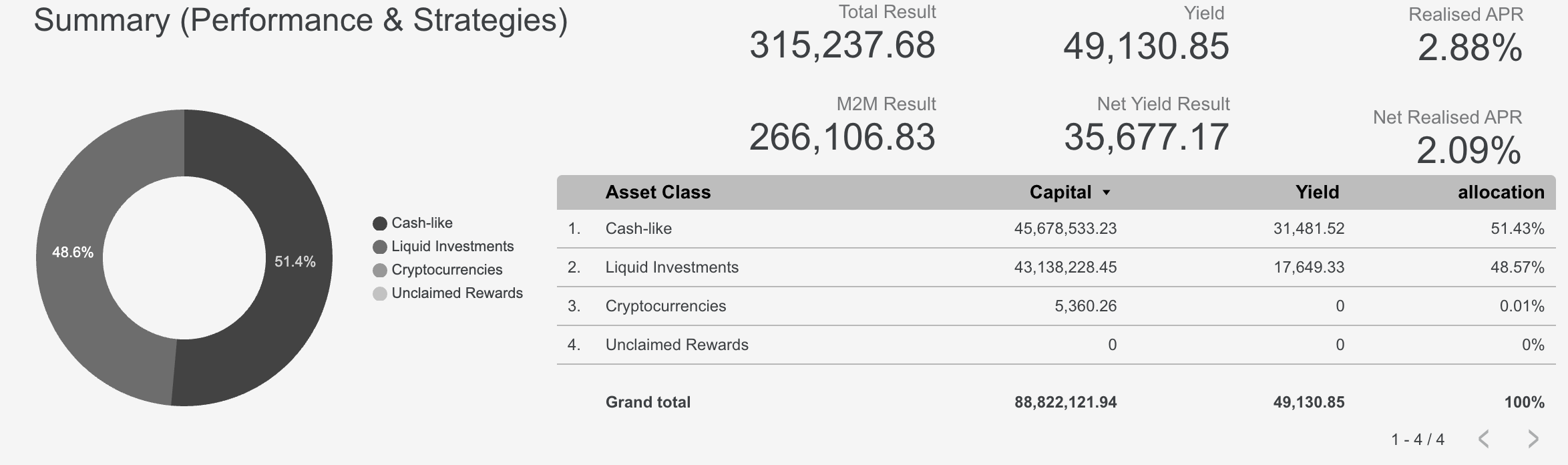
  • Endowment at 98M USD – ETH + Stables
  • 51.4% ETH, 48.6% stablecoins due to ETH price drop
  • Starting rebalancing to reach a 60/40 split between ETH and stables
  • Saw a -13M in total results despite generating ~61.5k in yields and ~45.9k net yields
  • BTC dropping to 75k and ETH to 2.2k (risk off)
  • Market sentiment low
  • Monthly report available here.
  • USDC withdrawn from KPK vaults deposited into fluid usdc
  • Public dashboard of positions being finalized for real-time monitoring
  • It’s up to the DAO to be proactive if they want to change something
  • A previous RFC regarding gas fees and risk curve adjustments had limited engagement from delegates
  • Mentioned [RFC] Target Allocations for Endowment

2. Security Council - liveness checks - @netto.eth

  • The second liveness check for the Security Council was conducted
  • Involves signers signing an empty transaction.
  • Purpose was to assess reaction time and consensus-building speed in response to incidents.
  • It took 2 hours to reach the minimum threshold (4/8 signatures) and 2 days for full consensus.

3. [Executable] ENS Stakeholder Analysis and Retro - @eugene

  • The Retro vote has passed.
  • The research has 4 phases, and phase 1 is about 3 months.
  • The plan is to publish a full design protocol for accountability and transparency.
  • Interviews will be conducted to gather perspectives on DAO performance.
  • Stakeholder map and summary of results will describe DAO’s objectives and relationships.
  • There will be a kick-off meeting in one of the upcoming delegate calls.
  • The purpose of the kickoff meeting is to create awareness around the research questions.
  • A list of individuals to be interviewed has been developed to ensure broad representation.
  • The questions for the interviews have also been developed.
  • Phase 1 is the longest due to data collection.
  • Phases 2 and 3 will run concurrently
  • Phase 4 (synthesis and reporting) will only take a couple of weeks.

4. Revenue Reports - @Limes

  • Limes is not on the call, so the ENS revenue reports will be discussed at a later time.
  • Feel free to comment or reach out to Limes for questions and discussion.

5. Holiday Awards Referral Program - @lightwalker.eth

  • Lightwalker provides an update on the ENS referral program (ENS Holiday Awards).
  • This was a pilot program, and it wrapped up in December.
  • The pilot saw great engagement
    • There have been >10k referrals.
    • $80k in revenue contributed to the DAO
  • The next cycle will focus on addressing concerns that referrals might be dividing the existing market rather than growing it.
  • A question to consider: If all the apps disappeared, would the same activity happen through the ENS Manager app, or is it just reallocating demand?
  • The goal is to demonstrate confidence that the referral program is growing the pie for ENS, which would make a case for the DAO to fund the program on an ongoing basis.
  • $10k invested resulted in $80k worth of revenue; however, at the moment, there is no complete evidence that those purchases would not have been made otherwise.

6. Naming Season Updates - @conor

  • ENScribe presentation update.
  • Connor shared an update about the contract naming season.
  • ENScribe aims to change the way people see smart contracts in the Ethereum ecosystem
    • Replacing hexadecimal addresses with ENS names/subnames.
  • Using names improves security, trust, UX, and increases the surface area for ENS.
  • Strategy involves working with protocols to name their contracts.
  • Partnerships: Nouns, Liquity, and Cork, with Giveth to be announced soon.
  • Active discussions: Aztec, Lido, Superfluid, Pyth, Octant, and Human Tech.
  • Working with infrastructure providers like block explorers to integrate contract naming.
    • An ENScribe widget will be launched in Blockscan this month.
  • Adding new functionality to the ENScribe app:
    • Safe, exporting call data, batch contract naming, and features like L2 primary names.
  • Released a Foundry library and a Hardhat plugin.

7. [Temp Check] Delegation Incentives Program reminder

  • The proposal for incentives delegation is going to Snapshot today.
  • Updates have been made based on feedback.

8. Governance frontend with public RPC - Dawson Botsford

  • /

9. ENS delegation app - Kirill

  • Kirill found the ENS delegation manager confusing
  • While testing, he was unsure if the delegation was successful
  • So he built: https://ens-delegate.kirillpolevoy.com/
  • The tool checks if a user has $ENS and guides them on buying or delegating.

10. Open discussion

  • /

Agenda and Minutes for MetaGov Meeting, Feb 17th, 2026

Details

Time: Tuesday at 9:00 am ET
Google Meet Link: https://meet.google.com/wua-qjto-umk

Stewards:

Agenda

  1. Weekly Endowment Updates - @kpk + @Steakhouse
  2. Recent proposals update
    a. [Executable] Enable Root and Registrar Security Controllers
    b. [EP 6.32][Executable] Transfer $2.5M USDC from Endowment to wallet.ensdao.eth
    c. Governance Security Assessment
    d. [Executable] Register on.eth to the ENS DAO wallet and set the resolver
    e. [Temp Check] Delegation Incentives Program
  3. ENS Pulse - @estmcmxci
  4. Organizational metadata (updates) - @jkm.eth
  5. Open discussion
    a. Brief SPP3 discussion
1 Like

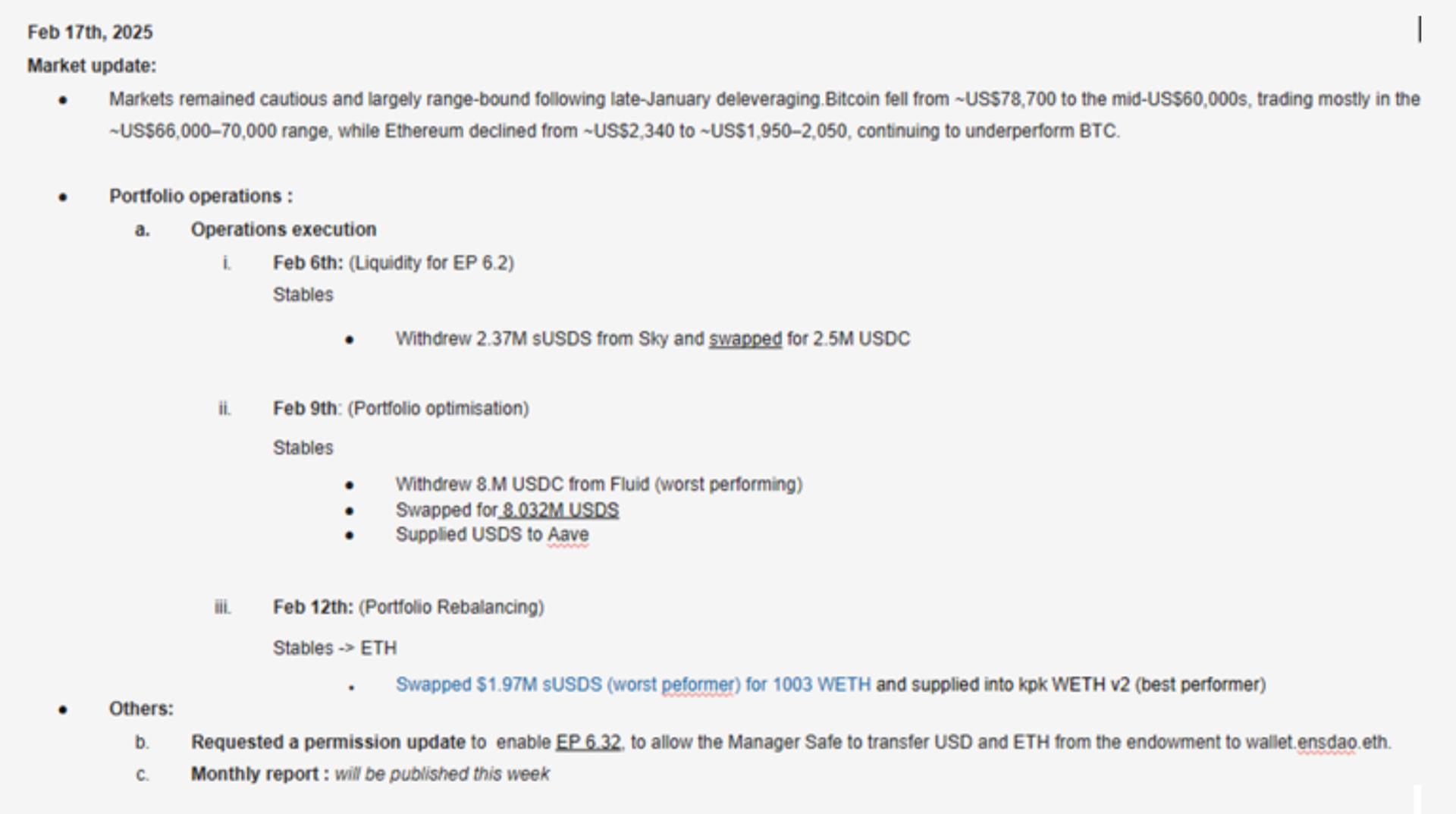
1. Weekly Endowment Updates - @kpk + @Steakhouse

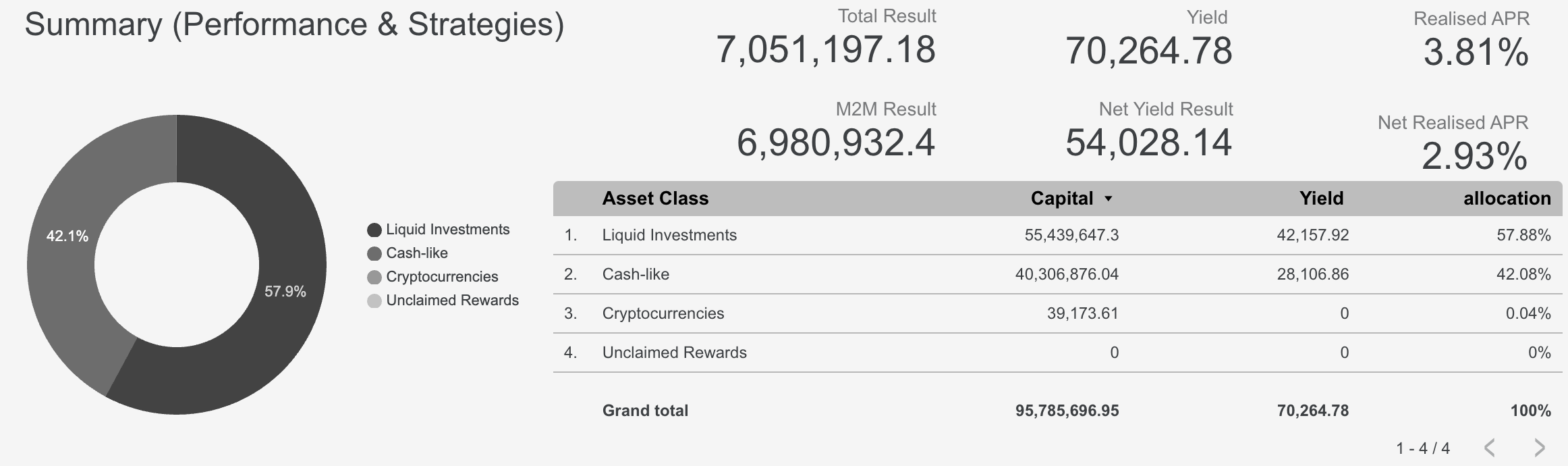
  • Endowment at $91M
  • Rebalancing continues due to the $ETH price decreasing
    • Need to convert stables into $ETH
  • The balance will be back at 40:60 soon
  • There is a limit of 1,000 ETH that can be bought per week.
  • KPK’s monthly report will be published later this week
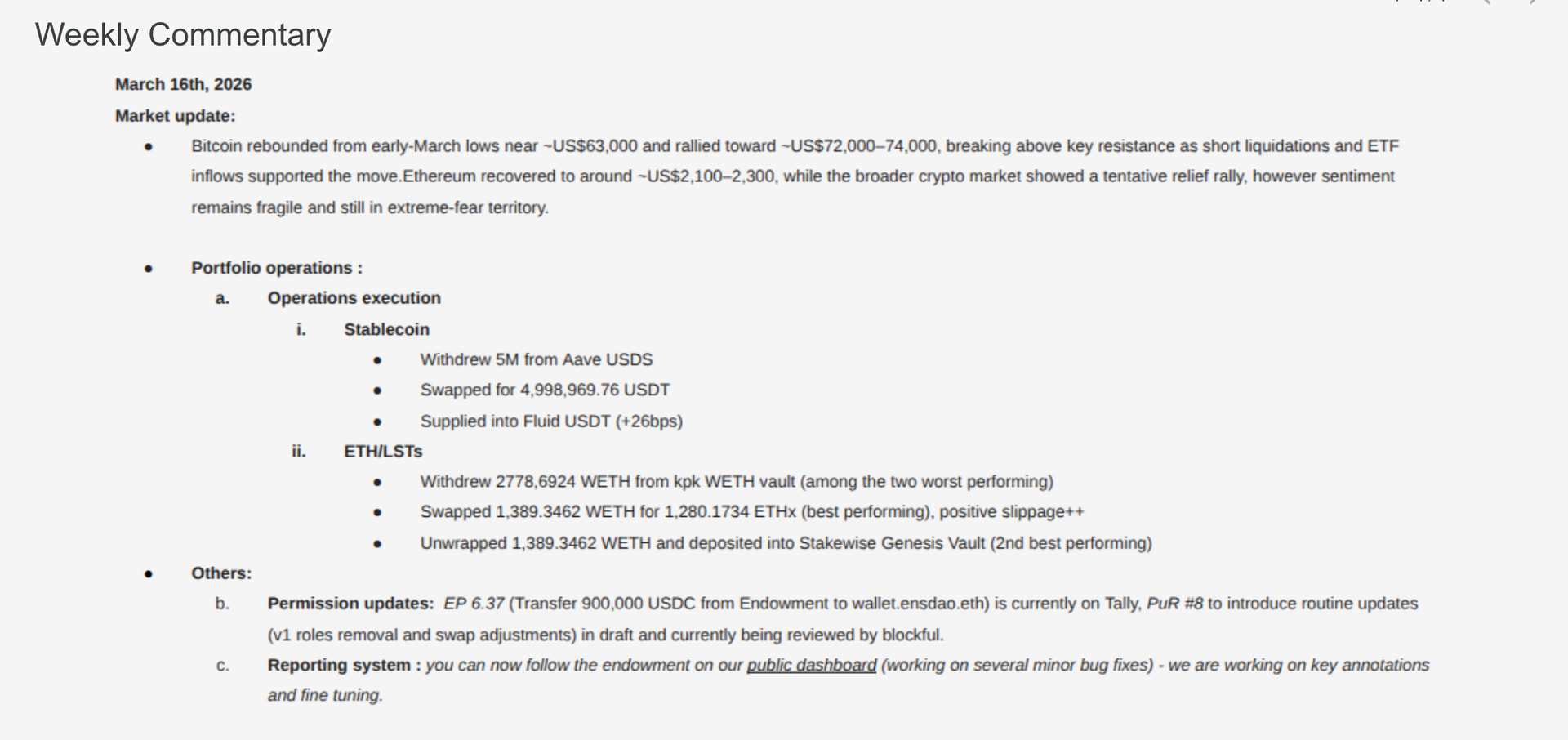
  • Weekly commentary

  • Final reports on the KPK website for ENS will come later this week.

2. Recent proposals update

2.1. [Executable] Enable Root and Registrar Security Controllers

  • Live for voting.
  • Allows security council to take action to secure the protocol in case of a vulnerability.

2.2. [EP 6.32][Executable] Transfer $2.5M USDC from Endowment to wallet.ensdao.eth

  • Proposal passed last week.

2.3. Governance Security Assessment

  • Security audit by the Blockful team.
  • There are some high-risk concerns that will be discussed in the future.
  • This assessment does not currently present any risk due to Security Council.
  • New Governor upgrade should happen in the future.

2.4. [Executable] Register on.eth to the ENS DAO wallet and set the resolver

  • Live for voting.
  • Official website: https://interopaddress.com/
  • Question about how on.eth will be utilized, whether for users or developers.
  • The chain registry resolver is useful for surfacing metadata about a chain.
  • The new resolver will start with no data initialized, and each chain will initialize its data.
  • Suggestion to use a multisig to initialize data for every chain.
  • This would help with adoption, as opposed to relying on each chain to populate its data.

2.5. [Temp Check] Delegation Incentives Program

  • Proposal passed last week.

3. ENS Pulse - @estmcmxci

  • ENS Pulse is an ENS DAO monitor.
  • It’s a dashboard that aggregates protocol and governance signals into one view.
  • It provides the top 5 signals each time you visit it.
  • Dashboard showcases:
    • Prices (ETH, ENS) + Treasury holdings.
    • Active proposals link to Tally for voting.
    • Snapshot of the attack profitability analysis.
    • Protocol metrics show ENS protocol performance.
      • Total names, participants, primary names, daily/monthly revenue, etc.
    • Lists all DAO-associated wallets.
    • Shows upcoming events and social posts.
  • Security aspect comments
    • It costs $13M to attack the DAO (clearly visible on the Dashboard).
    • The existence of the Security Council should be added to the dashboard.
    • Netto posted about wallets accumulating funds.
    • Compound DAO has been dealing with a whale attempting a takeover for 2 years.
    • Blockful team is closely following the situations.

4. Organizational metadata (updates) - @jkm.eth

  • Received funding to establish a standard for attaching additional metadata to ENS names/subnames.
  • At its core, a standard defines a class and a schema record, which is a self-descriptor.
  • Two main use cases:
    • Expose onchain the organizational relevance of a subname.
    • Expose context-specific metadata.
  • For example, attaching all the details about a contract (version, ABI, source, etc.) as ENS records turns ENS into a canonical resource of data.
  • Working on a draft ENSIP.
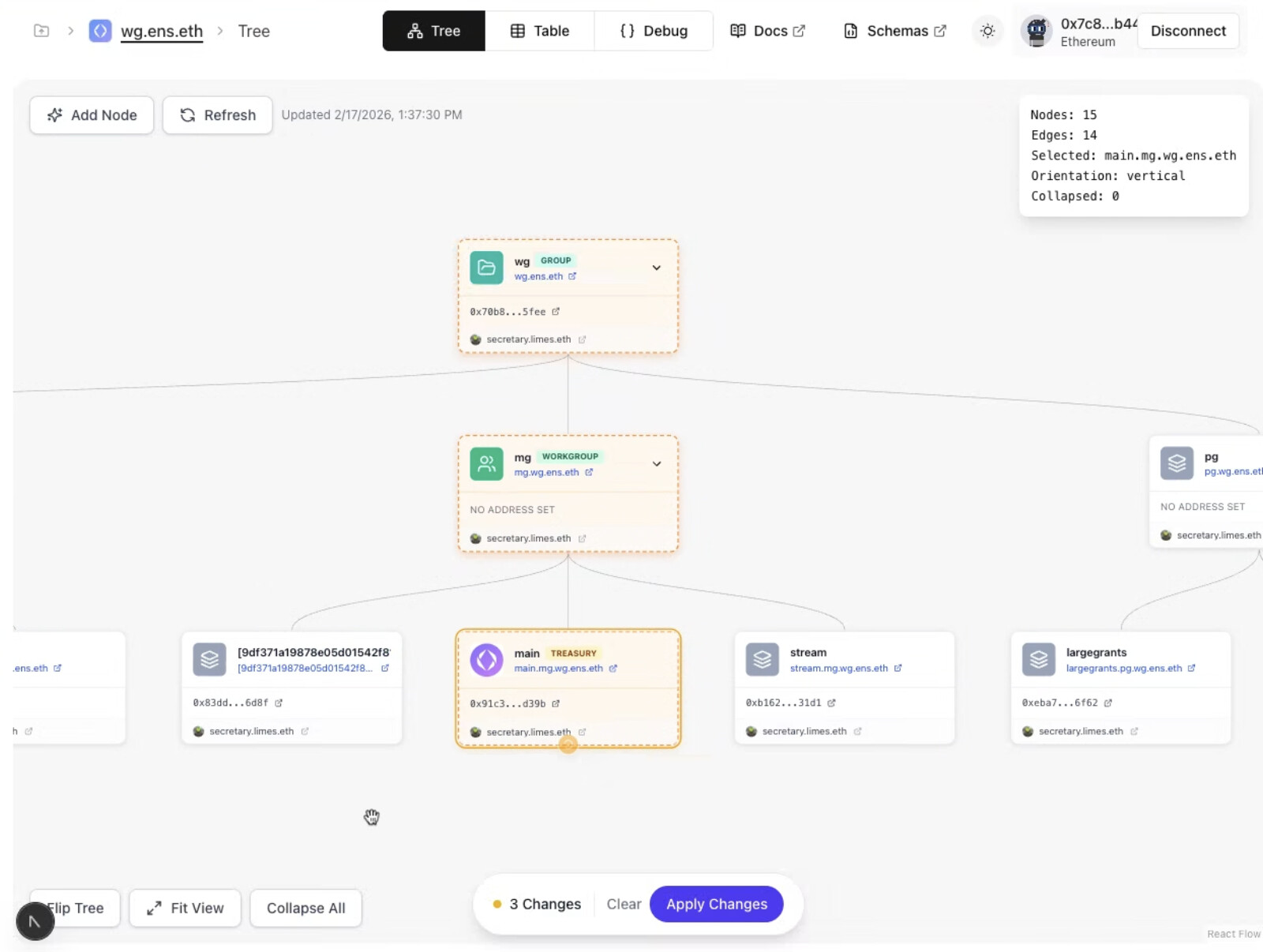
  • UI dashboard to illustrate the power of the standard
  • Can render a tree structure that shows the relationships between all of the subnames.
  • Onchain, a user can specify a data schema to explain what type of attributes should be appended to that node.
  • Schemas are being called in from canonical IPFS records.
  • Standardized IP schema registry allows for collaboration and publishing to canonical representations.
  • The standard is designed for maximum interoperability and flexibility.

5. Open discussion

5.1. Brief SPP3 discussion

  • /
1 Like

Agenda and Minutes for MetaGov Meeting, March 3rd, 2026

Details

Time: Tuesday at 9:00 am ET
Google Meet Link: https://meet.google.com/wua-qjto-umk

Stewards:

Agenda

  1. Weekly Endowment Updates - @kpk + @Steakhouse
  2. Recent proposals update
    a. [Executable] Replace DNSSEC oracle algorithms
    b. [Executable] Register on.eth to the ENS DAO wallet and set the resolver
    c. [Executable] Treasury Flow Automation
  3. Proposal: Committee Model for SPP3 Funding Allocation
  4. Open discussion

:information_source: Quick notes:

  • There will be a MetaGov call next week – an all-hands delegates call.
  • Metagov team will provide updates on Retro next week.

1. Weekly Endowment Updates - @kpk + @Steakhouse

2. Recent proposals update

2.1. [Executable] Replace DNSSEC oracle algorithms

2.2. [Executable] Register on.eth to the ENS DAO wallet and set the resolver

  • Already been discussed multiple times.
  • Currently live - go vote here.

2.3. [Executable] Treasury Flow Automation

  • The proposal aims to change how revenue flows into the DAO and the endowment.
  • It improves the current setup and addresses the old registrar withdrawal hurdle.
  • It removes the need to require a proposal to the DAO for every operational step.
  • The new contract will have 2 new properties:
    • Permissionless withdrawal of ETH from the old register.
    • Direct ETH transfer to the endowment
    • The treasury manager (KPK) can then make the assets productive quickly.
  • The proposal aims to make it easier for funds to be transferred.
  • Also, make it less likely for the DAO wallet to run out of funds.

3. Proposal: Committee Model for SPP3 Funding Allocation

  • Committee Model vs. the Delegate Model
  • New proposal for a committee model for the SPP program, instead of the delegate model.
  • In the delegate model, applicants for funding are voted on by DAO delegates.
  • In the committee model, the chosen committee would pick the SPs.
  • Problems with the Delegate Model:
    • Exhausting for delegates: delegates are bombarded with requests to vote.
    • Applicant fatigue: stressful and tedious task to identify and contact delegates.
    • All-or-nothing funding: delegate model doesn’t allow for negotiations on funding.
  • Committee Model:
    • Small, engaged committee would read applications, schedule time with each team, and negotiate funding.
    • The DAO would still approve the program, select the committee, and handle onchain fund distribution.
    • The goal is to delegate the decision-making process to trusted individuals, improving efficiency.
  • Discussion and Feedback:
    • The committee model is perceived as a step forward.
    • A decision/evaluation framework for the committee model is universally recognized as a must-have / north-star document.
      • Criteria for evaluating projects (industries, verticals, categories)
    • Concern around the Committee selection process and composition.
    • Suggestions include someone from 1) MetaGov, 2) someone from the ecosystem, or 3) someone external selected.
    • Concern expressed about fairness in electing a committee from within the community, fearing an "echo chamber of friends voting for each other.”
    • A mix of internal and external expertise is necessary, referencing Sov as a potential resource for designing the committee framework.
    • A hybrid model with a committee for screening, rating, and negotiation, and delegates for the final decision, would be best.

4. Open discussion

4.1. Delegation incentives program update

  • The main goal of the program is to increase the security of the DAO.
  • The second-order effect is an increase in participation from delegates.
  • Delegation incentive system:
    • Working prototype is being improved
    • Onchain proposal this week
    • Aiming for broad appeal, targeting small ENS holders outside the DAO.
    • Goal: Encourage participation in making ENS safer
  • Governor Upgrade:
    • Risk assessment of current governance stack posted on the forum
    • Identified 10 critical points for improvement
    • Security Council’s term expiring in a little over 6 months
  • Modular Architecture:
    • Reviewing RFC internally, to be posted this week.
    • Goal: Make future upgrades easier.
    • Avoiding time lock migration and treasury migration.
  • Relevant links:
2 Likes

Agenda and Minutes for Delegate All-hands (MetaGov Meeting), March 10th, 2026

Details

Time: Tuesday at 9:00 am ET
Google Meet Link: https://meet.google.com/dwn-fnis-xjo

Stewards:

Agenda

  1. Weekly Endowment Updates - @kpk + @Steakhouse
  2. Retro updates - @mikemetagov @eugene
  3. Proposal: Committee Model for SPP3 Funding Allocation - @brantlymillegan
  4. Open discussion

The delegate all-hands is a monthly meeting with a curated agenda to streamline decision-making and boost attendance. Please take a moment to review the linked posts so you have context going in.

1 Like

1. Weekly Endowment Updates - @kpk + @Steakhouse

  • /

2. Retro updates - @mikemetagov @eugene

  • The entire evaluation has 3 phases
  • The contract states that unless the DAO rejects or disapproves, phases 2 and 3 will proceed after initial findings are posted.

Phase 1

  • Phase 1 was divided into 2 different phases
    • Phase 1A
      • Stakeholder analysis consisting of interviews
      • Qualitative analysis of the interviews around challenges that ENS DAO is facing
      • Analysis was conducted to determine the factors driving these challenges and their impact on ENS DAO performance, accountability, and trust
    • Phase 1B
      • Focuses on creating a data repository for quantitative analysis.

Phase 1A

  • Informant interviews - did almost 30 hours of interviews.
  • 23 interviews have been done so far.
  • Research design, plan, analysis, and qualitative code book are on Google Drive.
  • This is intended to communicate a benchmark for rigorous governance research in Web3.
  • The analysis was divided into 2 broad categories:
      1. What do people think is the purpose of the DAO?
      1. What do they think are some gaps that the DAO is facing in achieving that purpose?
  • Identified 3 primary purpose areas:
      1. Treasury management.
      1. Protocol growth.
      1. Public goods stewardship.
  • Gpas identified:
      1. Need for better accountability.
      1. Need for a coherent strategy and shared objectives.
      1. Need for stronger coordination for sustainable governance.
  • Challenges:
    • Five challenges were identified as the biggest priorities.
    • Goal: propose recommendations with specific actions that address all challenges.
    • Mapping the relationship between challenges, factors, and impacts shows a messy picture with no clear correlations.
  • Next Steps:
    • Quantitative data from the retrospective analysis in Phase 2 and the comparative DAO analysis will be overlaid.
    • The goal is to determine what relationships to target and what recommendations to make to modify them for more beneficial outcomes.

Phase 1B

  • Goal: Gather relevant data to analyze if desired outcomes from Phase 1 were accomplished.
  • Activities: Built an inventory of publicly available data sources and shared with ENS.
  • Drafted an initial analysis plan with testable hypotheses.
  • Generated a Data Infrastructure Plan outlining the architecture
  • Set up a public GitHub repo and began importing data from raw data sources.
  • Data sources:
    • Forum Snapshot, Tally, Etherscan, ENS grants data, ENS ledger analysis (DAO transactions between 2022-2025)
    • Remaining data sources contain redundant data or will be used for reference and cross-validation: Dune, TokenTerminal, VotingPower.xyz, ENS Wallet, SafeNotes, Forum reports.
  • Analysis Plan:
    • Objective: Map testable hypotheses to data sources.
    • Creates a tangible link between data collection and analysis.
    • Document link shared and will be posted in the forum.
  • Data organized into 3 layers: bronze, silver, and gold.
    • Bronze: Raw ENS data imported from sources, append-only, never edited.
    • Silver: Processed, structured, and tagged data with a taxonomy for easy querying.
    • Gold: Analysis-ready data views to address hypotheses (delegate concentration, voter participation, power structure, etc.).

Phase 2

  • Phase 2 technically started on March 2nd.
  • Comparative DAO research has begun, looking at relevant evidence from other DAOs, Web3 protocols, and decentralized governance systems.
  • Initial ideas: producing preliminary recommendations in a few weeks, creating forum threads for community discussion, holding a workshop for each thread, and incorporating feedback into final recommendations.

Phase 3

  • Phase 3 is the final reporting phase.
  • Discussion point: How far should the recommendations go?
  • They can be shallow or include the beginnings of an implementation strategy/action plan.

Additional info

  • Idea around aligning at ethCC if core contributors will be there.
  • Open to suggestions on how to best present the data from the retrospective analysis.
  • Idea about making it more interactive than a simple PDF.
  • Metagov is open to discussing operationalization, implementation, monitoring, and testing, but their primary job is research.
  • They can help find someone or design the scope of work for implementation, but it’s outside their current scope.

3. Proposal: Committee Model for SPP3 Funding Allocation - @brantlymillegan

  • The SPP3 discussion is ongoing
  • Brantly proposed replacing the Delegate model with a Committee model for the Service Provider Program due to delegate and applicant fatigue.
  • The current model involves all delegates voting on all applications.
  • The proposed committee model would deputize a small group to make decisions.
  • Idea: using AI for initial screening of applications to reduce fatigue and ensure fairness.
  • Some delegates support Committee model; some are still biased towards Delegate model.
  • There’s a suggestion to break the SPP into 2 separate programs
    • 100k-300k for new teams
    • 300k+ for existing teams
  • People are supportive of the Committee Model, but more details around the program and the whole process are needed, such as an Evaluation Framework, a process for choosing committee members, etc.

4. Open discussion

  • /
2 Likes